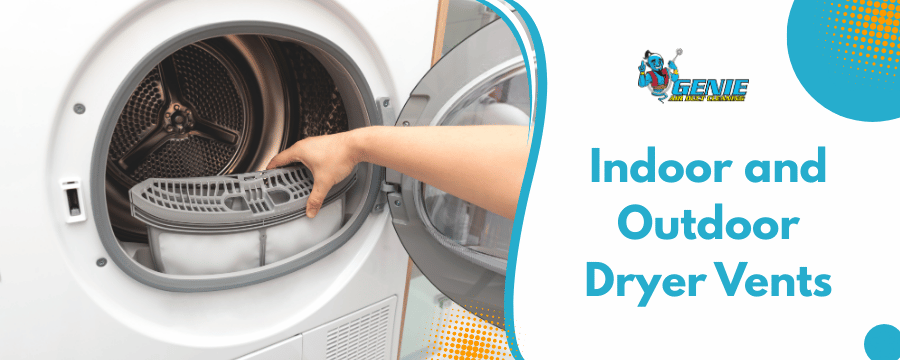
Dryer venting is an essential but often overlooked part of home safety and appliance performance. Every time a dryer runs, it produces heat, moisture, and lint that must be safely directed away from the machine. Choosing the right venting method and maintaining it properly helps reduce lint buildup, improves drying efficiency, and protects your home from potential hazards. Whether you are planning new dryer vent installations or reviewing an existing setup, understanding indoor and outdoor venting options is key.
Why Proper Dryer Venting Matters
Proper venting allows moisture and heat to escape so the dryer can operate efficiently. When airflow is restricted, lint buildup increases and drying times become longer. Over time, trapped lint and heat can create serious safety risks and turn vents into fire hazards. Regular dryer vent cleaning is one of the most important steps homeowners can take to support home safety and keep appliances running smoothly.
How Outdoor Dryer Venting Works
Outdoor dryer venting directs hot air, moisture, and lint through a duct that exits the home. This system typically includes a vent cap on the exterior wall that opens when the dryer runs and closes when it is off. By sending exhaust outside, this method prevents humidity from entering indoor living spaces and supports consistent dryer performance. Outdoor venting is commonly recommended for most homes due to its effectiveness and safety benefits.
Benefits of Outdoor Dryer Venting
Outdoor venting helps control indoor humidity and limits lint buildup inside the home. By removing moisture at the source, it reduces the risk of mold growth and condensation. Properly designed dryer vent installations with a rigid metal duct allow strong airflow and are easier to keep clean. When combined with routine dryer vent cleaning, outdoor systems contribute to lower energy use and longer dryer lifespan.
Challenges of Outdoor Dryer Venting
While effective, outdoor venting can present challenges depending on home layout. Long duct runs or multiple turns can restrict airflow if not installed correctly. The vent cap must be checked periodically to ensure it is not blocked by lint, debris, or pests. Even with these considerations, outdoor venting remains the preferred option for most households focused on long term home safety.
Understanding Indoor Dryer Vents
Indoor dryer vents are sometimes used when outdoor venting is not possible. Instead of exhausting air outside, these systems release warm air into the room through a filter or water-based trap designed to capture lint. Indoor dryer vents are often found in apartments or older buildings with limited venting options. While they can function adequately in certain situations, they require careful monitoring and frequent maintenance.
Advantages of Indoor Dryer Venting
One benefit of indoor dryer vents is heat retention during colder months. The warm air released back into the home can slightly offset heating needs. Indoor venting systems may also be easier to install when exterior access is restricted. However, these benefits must be weighed against moisture and air quality concerns.
Risks and Maintenance Needs of Indoor Dryer Venting
Indoor venting introduces moisture directly into the home, which can raise humidity levels and increase the risk of mold or mildew. Lint buildup may still occur if filters are not cleaned regularly. For this reason, indoor dryer vents require more frequent dryer vent cleaning and close attention to air quality. Homes with high laundry volume or existing humidity issues should approach indoor venting with caution.
Safety Considerations for Dryer Vent Systems
No matter the venting method, using the right materials is critical. A rigid metal duct is recommended because it resists crushing and reduces lint accumulation compared to flexible options. Ducts should be kept as short and straight as possible to promote airflow. Regular inspections, proper vent cap function, and consistent dryer vent cleaning all play an important role in maintaining home safety.
Choosing the Best Dryer Venting Option for Your Home
The best choice depends on your home’s layout, local building codes, and laundry habits. Outdoor venting with properly installed dryer vent installations is generally the safest and most efficient solution. Indoor dryer vents may be acceptable in limited situations but demand ongoing maintenance and awareness of moisture levels. A professional assessment can help determine the most appropriate setup for your space.
Dryer Vent Services in Matthews
Indoor and outdoor dryer venting each come with their own considerations, but safety and efficiency should always guide your decision. Managing lint buildup, using a rigid metal duct, maintaining the vent cap, and scheduling regular dryer vent cleaning all contribute to better performance and improved home safety. Get in touch with Genie Air Duct Cleaning to properly manage both indoor and outdoor vents in Matthews and its neighborhoods. With the right approach, your dryer vent system can support efficient laundry routines while protecting your home and family.
Tamir Avraham is the dedicated and innovative founder of Genie Air Duct Cleaning, a premier provider of residential and commercial cleaning services specializing in air duct cleaning. Under Tamir’s leadership, the company employs state-of-the-art vacuum systems and negative air machines to ensure the highest level of air purification, enhancing the health and well-being of clients’ homes and offices. Committed to excellence, Tamir ensures that Genie Air Duct Cleaning’s services are both affordable and efficient, utilizing the most powerful equipment in the industry. With a strong emphasis on customer satisfaction, Tamir and his team prioritize courtesy, appearance, and respect for clients’ time and property, harking back to an era where these values were paramount. Tamir places a high value on continuous education, providing comprehensive and ongoing training for his service technicians to keep them adept with the latest techniques and technologies, ensuring top-notch service with every job.
